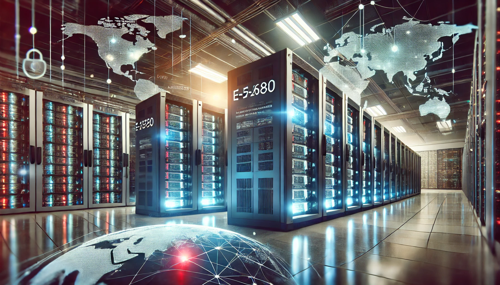
introduction: this article is based on the classic case of a weak current room in germany, and systematically compares the differences in key elements between its design and domestic standards. through structured comparison, it helps engineers and managers take into account compliance and international practices during the planning, construction, and operation and maintenance of computer rooms.
comparison of german weak current room design concepts and domestic standards
german computer rooms emphasize high availability and maintainability, and generally adopt modularity, redundancy and strict testing processes. domestic standards focus on regulatory compliance and cost control, and have been transforming towards internationalization in recent years, but there are still gaps in implementation details and long-term operation and maintenance concepts.
differences between space planning and equipment layout
german cases are usually more conservative in terms of space reservation, equipment access and maintenance corridors to facilitate easy replacement and expansion. domestic designs are often limited by land and cost, and the layout is more compact, requiring refined management to make up for the lack of physical redundancy.
differences in specifications for power and ground systems
in terms of power redundancy, distribution zoning and equipotential grounding, german practice tends to be strict zoning and multi-layer protection, and grounding and lightning protection measures are implemented meticulously. domestic standards have wide coverage, but construction acceptance and long-term testing frequency often need to be strengthened.
comparison of temperature, humidity and environmental control standards
german computer rooms focus on dynamic optimization in temperature and humidity control, air fluid management and energy efficiency design, often with hot and cold aisles and intelligent management systems. domestic standards already have energy efficiency requirements, but there is still room for improvement in fine control and application of energy-saving strategies.
the difference between fire prevention and smoke prevention strategies
the german case emphasizes the combination of passive and active fire protection, including material selection, fire zoning and smoke control strategies. domestic standards have clear regulations on fire protection, but there are obvious differences in implementation in terms of material evaluation, early detection and smoke control linkage.
differences in cabling and cable management requirements
the german weak current room emphasizes wiring specifications, identification and cable path management to facilitate troubleshooting and capacity expansion. domestic wiring standardization is gradually improving, but on-site construction consistency and long-term maintenance identification management still need to be strengthened.
comparison of computer room monitoring and operation and maintenance systems
german cases generally have complete monitoring systems and sla-oriented operation and maintenance processes, and attach great importance to preventive maintenance and data-based decision-making. the domestic operation and maintenance system is transforming from post-response to predictive maintenance, but the maturity of data collection and process varies.
differences between standardization, modularization and testing processes
the german project emphasizes modular delivery and strict factory and on-site testing processes to ensure system integration reliability. domestic standards have relatively complete coverage of test items, but there is room for improvement in test depth, third-party verification and continuous quality management.
summary and suggestions
summary: comparing the classic cases of weak electrical machine rooms in germany with domestic standards, it can be seen that there are clear differences in redundancy design, environmental control, wiring management and operation and maintenance mechanisms. it is recommended that germany's advantages in modularization, testing and operation and maintenance standards be absorbed during project implementation, while combining domestic norms and cost realities to gradually establish a data-driven operation and maintenance and quality assurance system.
- Latest articles
- Practical Tips For Optimizing The Performance Of VPS Dedicated Line Singapore In A Multinational Office Scenario
- Evaluate The Access Performance Of Domestic Cn2 Taiwan From The Perspective Of SEO And GEO Optimization And Propose Improvements
- A Must-read For Corporate Decision-makers: How Much Does A Korean Cloud Server Cost? Suggestions On Weighing Against Service Quality Assurance
- Hong Kong Cn2 Lightweight Deployment Process Guide From Purchase To Online
- Enterprise Buying Guide Why Renting A German Server Dedicated Line Is More Reliable Than An Ordinary Line
- Hong Kong Cloud Server CDN Deployment Process And Cost Optimization Practical Guide
- Why Hong Kong Vps Has Natural Advantages In Network Connectivity And Bandwidth Stability
- Achieve Independent Traffic Isolation For Different Business Lines Through Multiple IP Addresses Of US High-defense Servers
- Reliability Evaluation Report Of Vietnam Cn2 Service Provider In Enterprise-level Application Deployment
- A Must-read For Enterprise Users: Which Cloud Servers Are Good In Malaysia And Compared With Service Providers?
- Popular tags
-

German Independent Server Hosting Selection And Deployment Strategy From The Perspective Of Energy Conservation And Sustainability
from the perspective of energy conservation and sustainability, this article systematically sorts out the selection and deployment strategies of independent server hosting in germany, including data center location selection, energy sources, hardware energy efficiency, cooling solutions and operation and maintenance optimization, to help enterprises achieve a hosting solution that pays equal attention to green and high availability. -
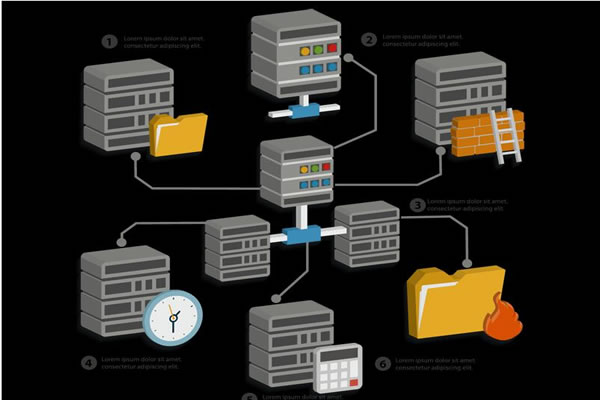
Study On Energy Efficiency And Green Data Center Examples Based On Images Of German Data Centers
Based on images of data centers in Germany, this study examines examples of energy efficiency and green data centers, analyzing visual evidence, cooling systems, electricity use, and the application of renewable energy to provide recommendations for energy-efficient design and operation of data centers. -
An In-Depth Look At The Ultra-High-End Market: The Brand Stories Behind Germany’s Ranking Of Ultra-High-End Servers
This article explores the brand stories and market logic behind Germany’s ultra-high-end server rankings, analyzes evaluation criteria, manufacturing processes and services, supply chains, and compliance factors, providing practical advice for corporate procurement and localized SEO.